Short answer
To buy land in Kenya: (1) shortlist and visit the plot; (2) get a copy of the title and run an official search at the land registry; (3) have a surveyor confirm the boundaries and beacons; (4) sign a sale agreement drafted by your own advocate and pay the deposit, often 10%; (5) obtain the required consents and clearances; (6) pay stamp duty after a government valuation; (7) register the transfer so the title is issued in your name.
Before you start: what you need
Have these ready before you make an offer:
- A national ID card or passport.
- A KRA PIN. The Kenya Revenue Authority PIN is needed to pay stamp duty and register a transfer, including for buyers who live abroad.
- Your own advocate, who is not acting for the seller.
- A licensed surveyor you can call on to check the land.
- Proof of funds, and a bank account that lets you pay by traceable transfer.
Step 1: Shortlist and visit the land
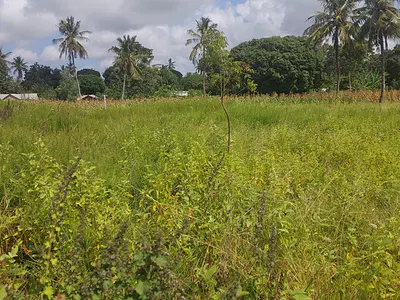
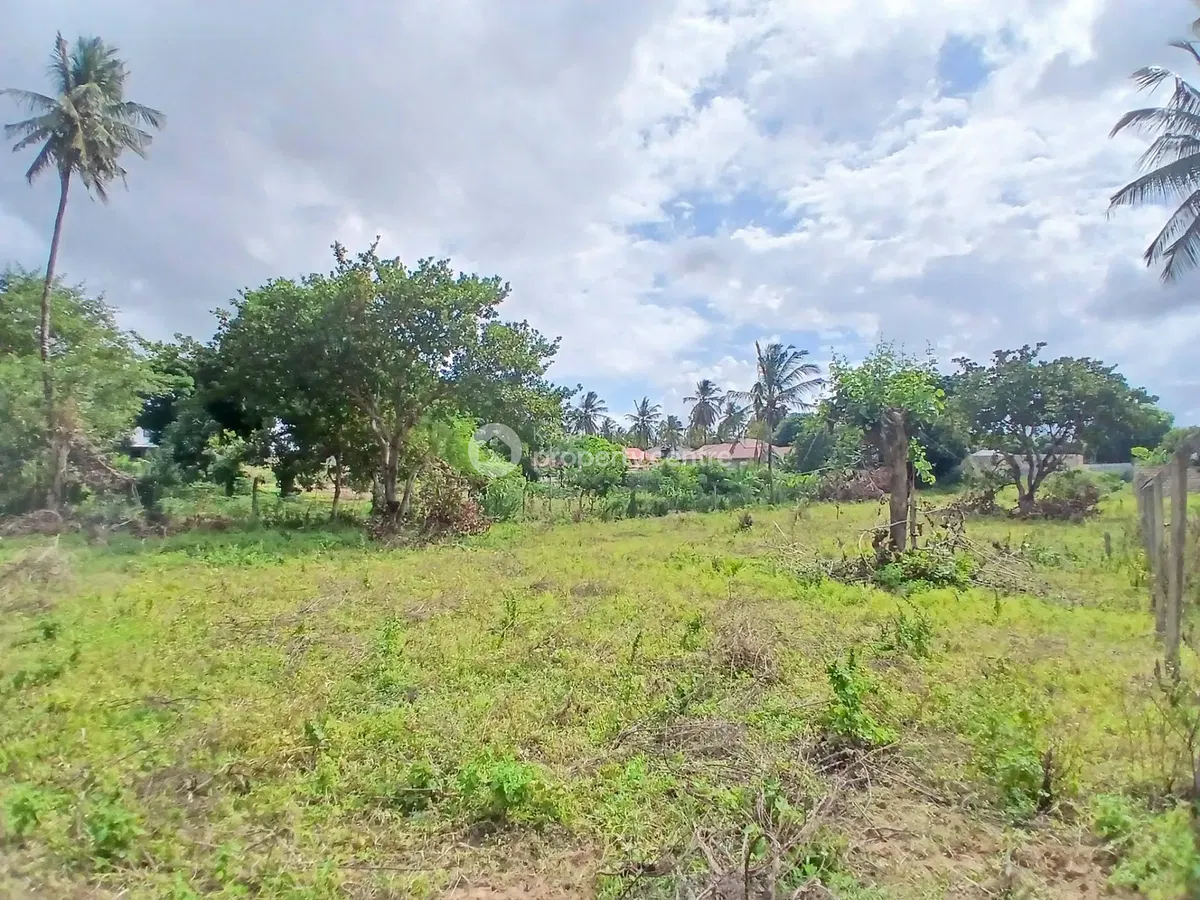
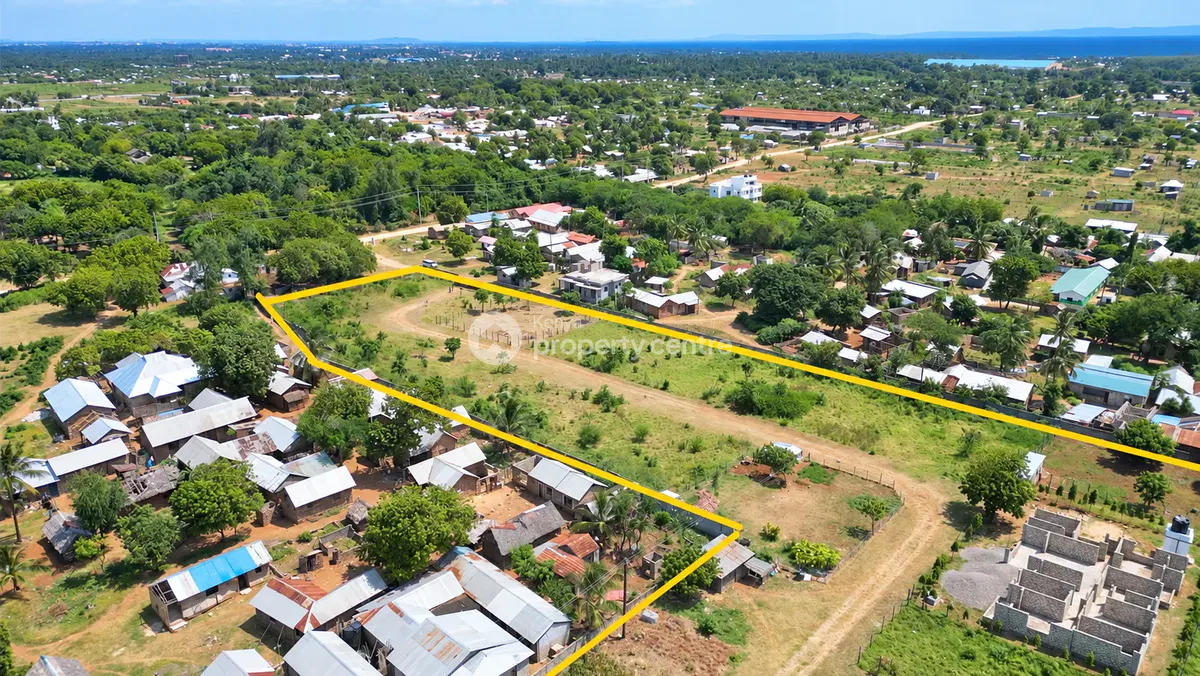
Compare plots on price per acre, access, utilities and title status. Our Kilifi County land price guide shows how much these vary. For example, Bomani quarter-acre plot is a quarter acre at KSh 2,500,000 (whole plot), while Mtondia highway plots is an eighth of an acre at KSh 995,000 (per plot). Then visit in person, or send someone you trust. On site:
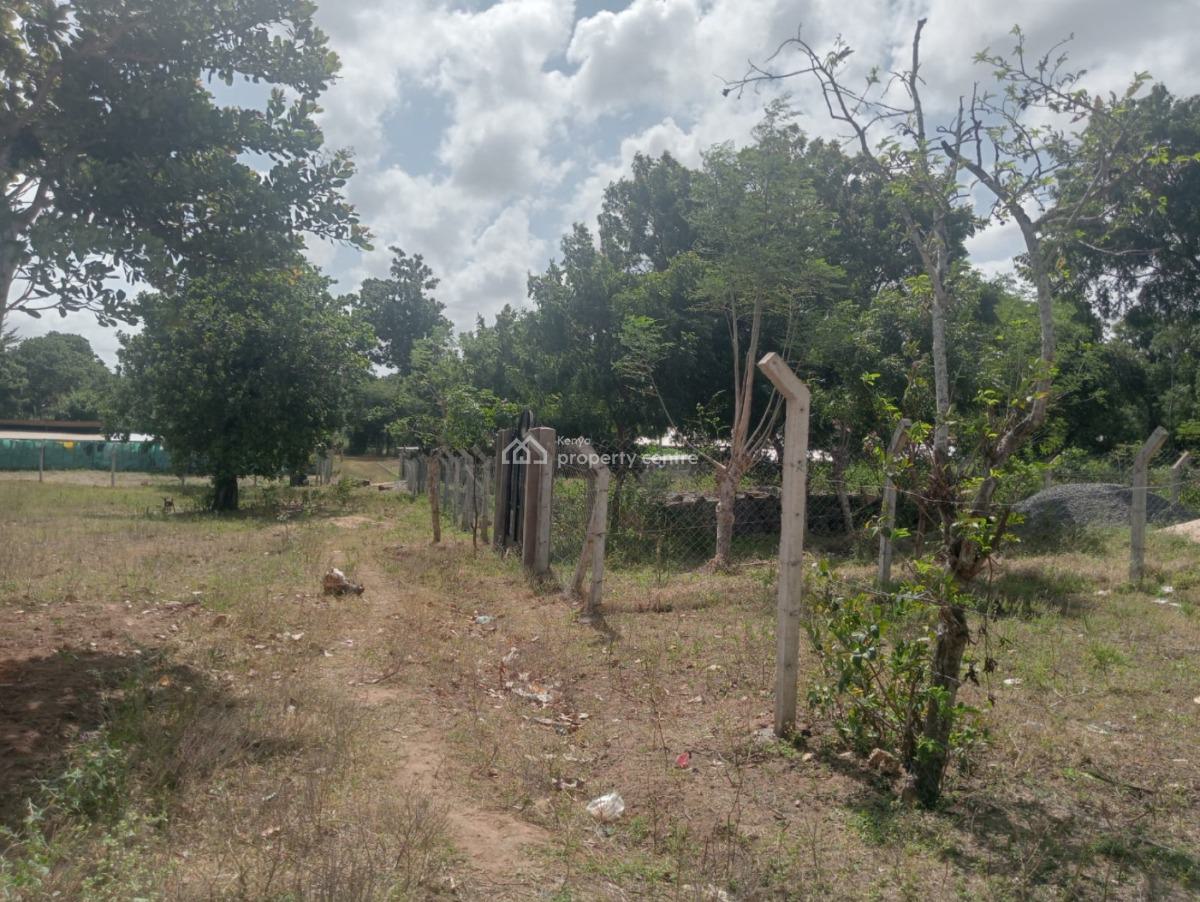
- Walk the boundaries and look for beacons.
- Check the access road and how it connects to a public road.
- Look for anyone living on or farming the land, and talk to neighbours.
- Note power lines, drainage, nearby developments and anything that could be a wayleave.
Step 2: Get a copy of the title and run an official search
Ask the seller for a copy of the title deed and their ID and KRA PIN. Then apply for an official search at the land registry that holds the parcel, online through Ardhisasa where that registry is available, or in person. The search confirms the registered owner, the size and any charges, cautions or restrictions. Never pay a deposit before you have the search result. Our guide to title deed searches explains how to do it and how to read the result.
Step 3: Verify the land on the ground
An official search proves what the register says, not what is on the ground. Ask your surveyor to:
- Compare the title with the registry index map and the survey records.
- Confirm that the beacons are in the right place, or replace missing ones.
- Check that the plot you visited is the plot on the title.
At the same time, ask the seller for a land rates clearance certificate from the county. For leasehold land, ask for a land rent clearance as well.
Step 4: Sign a sale agreement and pay the deposit
Your advocate drafts or reviews the sale agreement. It should set out the price, the deposit, the balance and when it is paid, the completion date, who pays which costs, and what happens if either side defaults. A deposit of 10% is common, and it is usually held by an advocate until completion. Pay by bank transfer, never in cash.
Step 5: Obtain consents and clearances
Depending on the land, the transfer may need:
- Land Control Board consent for agricultural land, under the Land Control Act.
- Consent from the lessor to transfer leasehold land.
- Spousal consent where the land is matrimonial property.
- Discharge of any charge, such as a bank loan registered against the title.
Your advocate will know which apply to your plot.
Step 6: Valuation and stamp duty
A government valuer assesses the land’s value for stamp duty. The buyer usually pays stamp duty at 4% of the value for property in urban areas and 2% in rural areas, and must pay it before the transfer can be registered.
Step 7: Register the transfer
Your advocate lodges the signed transfer, the consents, the clearances and proof of stamp duty at the land registry. Once it is registered, the register shows you as the owner and a new title is issued in your name. Run a final search to confirm it.
What does it cost to buy land in Kenya?
| Cost | Paid by | Notes |
|---|---|---|
| Purchase price | Buyer | Agreed in the sale agreement |
| Official search | Buyer | A small government fee |
| Surveyor | Buyer | Quote from a licensed surveyor |
| Advocate’s fees | Each party pays its own | Governed by the Advocates Remuneration Order; ask for a written quote |
| Valuation and stamp duty | Buyer | 4% (urban) or 2% (rural) of the government valuation |
| Registration fees | Buyer | Small government fees |
| Land rates and rent arrears | Seller | Cleared before transfer |
| Capital gains tax | Seller | 15% of the seller’s gain |
The most common mistakes
- Paying a deposit before the official search.
- Using the seller’s advocate instead of your own.
- Skipping the surveyor because the beacons “look right”.
- Accepting an allotment letter or a photocopy in place of a title.
- Paying cash, or paying into a personal account without a signed agreement.
- Buying from abroad without a trusted person on the ground.
Buying from abroad
Kenyans in the diaspora can buy through an advocate and, where needed, a registered power of attorney that lets a trusted person sign on their behalf. Keep the power of attorney limited to the specific transaction. If you are not a Kenyan citizen, different rules apply. Read can foreigners buy land in Kenya?
Frequently asked questions
How long does it take to transfer land in Kenya?
It depends on the consents required, the registry’s workload and how quickly both sides provide documents. A straightforward transfer can take a few weeks, while one needing Land Control Board consent or a discharge can take several months. Your advocate can give you a realistic timeline.
Who pays stamp duty when buying land in Kenya?
The buyer usually pays stamp duty: 4% of the government valuation for property in urban areas and 2% in rural areas.
What documents do I need to buy land in Kenya?
You need your ID or passport, your KRA PIN and passport photographs. From the seller you need the original title, their ID and KRA PIN, a rates clearance, any required consents, and a signed transfer.
Can I buy land in Kenya without a lawyer?
It is legally possible to do some steps yourself, but it is risky. An advocate checks the documents, drafts the agreement, holds the deposit and handles registration. Independent legal advice is your main protection against fraud and costly mistakes.
This guide is general information, not legal, tax or financial advice. Laws, fees and procedures change; confirm every step with a qualified Kenyan advocate and licensed surveyor before you pay any money. Listing prices are source asking prices and must be reconfirmed with the advertising agent.